Transforming Patient Experience through Educational Healthcare Videos
As I was wrapping up my work on the Guyana Healthcare collaboration films, a new health-related project landed in my inbox. Courtney Moore, who I worked with 10 or 12 years ago on a video project, reached out to me after all those years to ask if I would be interested in providing my video skills for an IU Medicine / IU Health project. I was delighted she remembered me and thought enough of whatever I had done on that project to track me down. Courtney, who works at the hospital, was developing the workbooks, scripts, and graphics for an intervention in hepatology. She was supporting Dr. Lauren Nephew, an Assistant Professor of Medicine at Indiana University School of Medicine, with a grant-funded study. The goal: create support materials to inform recently diagnosed liver cancer patients about what to expect before and after resection or transplant procedures.
The project, titled “Overcoming Disparities in Curative Therapy for Hepatocellular Carcinoma,” requires three 10-minute videos. These would feature doctors, surgeons, a coordinator, and recent patients who had recovered from liver procedures.
Shortly after saying yes to Courtney, I had a chance to meet with Dr. Nephew and discuss the project in more detail. It all seemed to fit the form of the a lot of the work I have been doing lately and I was excited to help.
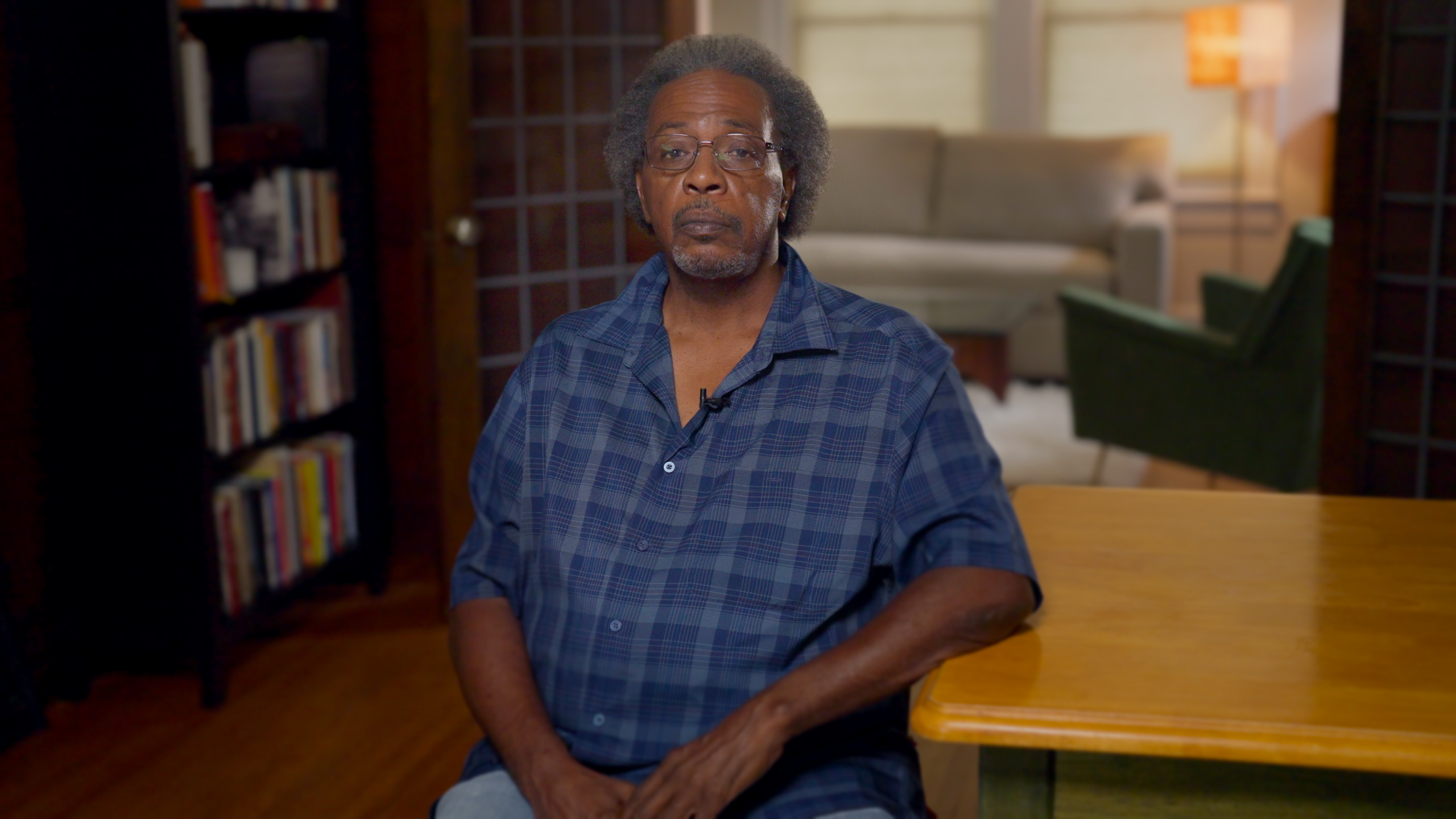
We decided to start with the patient interviews, opting for a home setting rather than a clinical one. I offered my house as the location. This choice wasn’t just about aesthetics; it was about creating an atmosphere where our interviewees would feel at ease, sharing their stories of recovery.
September 28, 2024
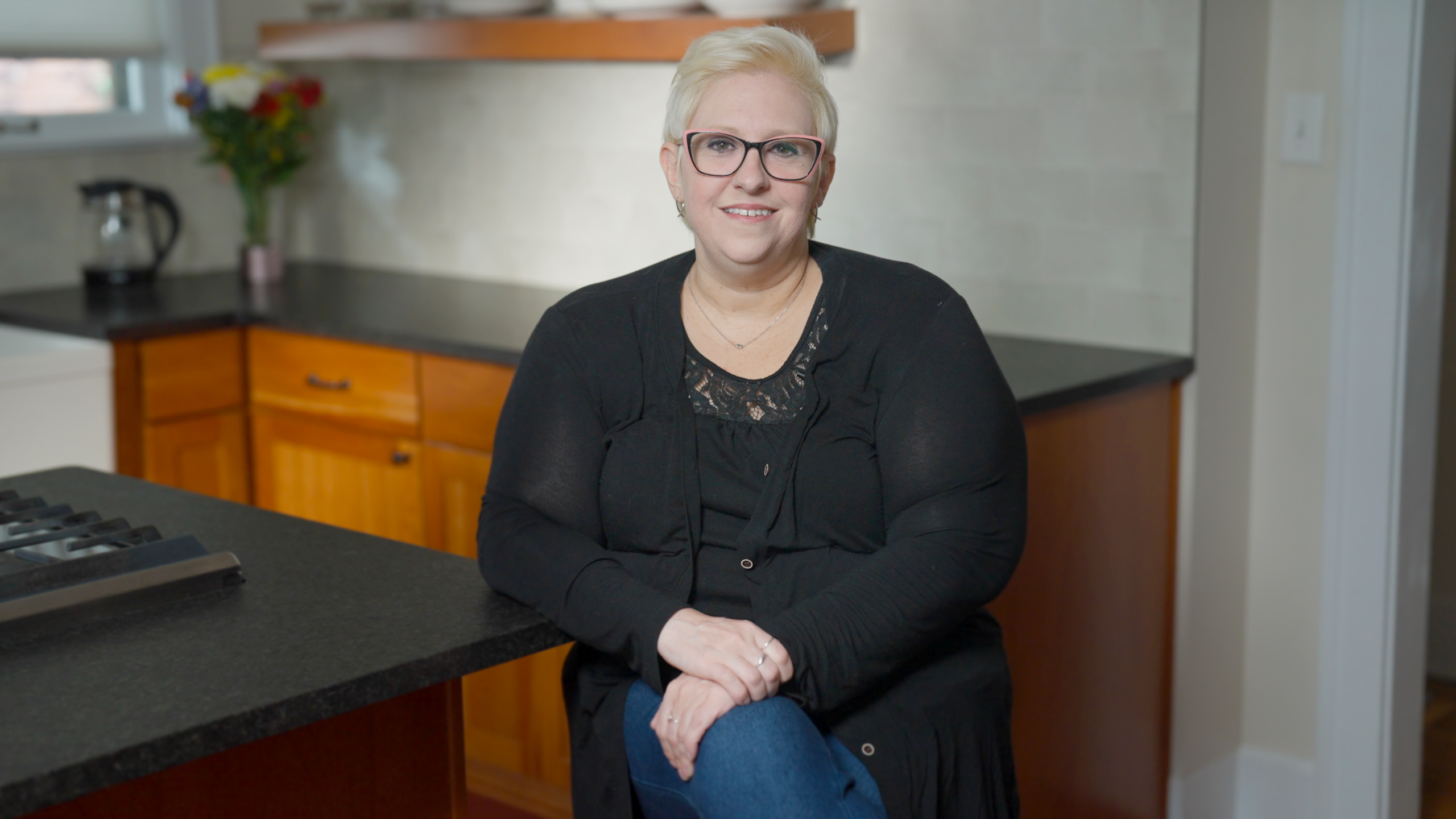
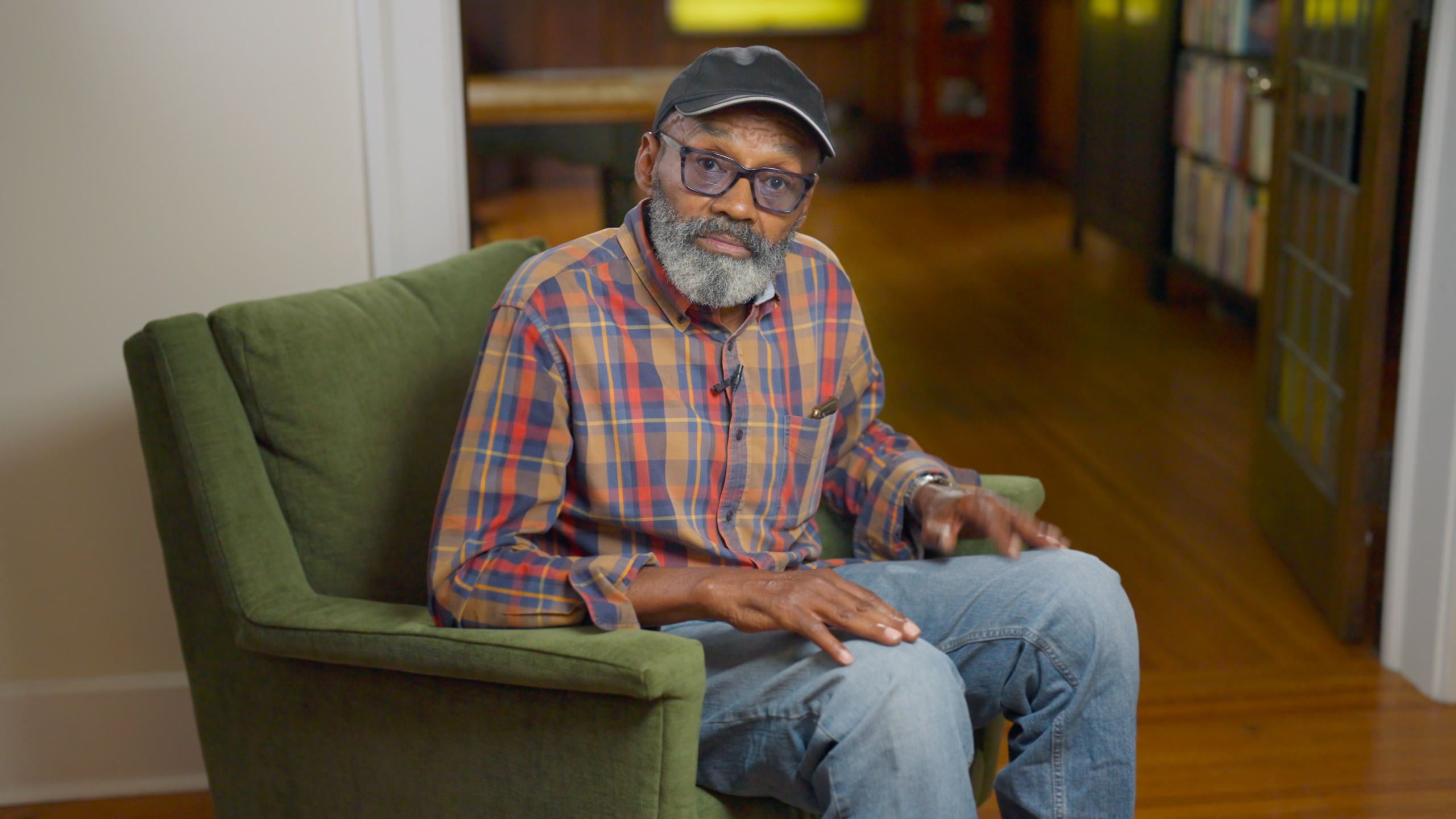
I hired two of my current students, Taylor Rueff and Canaan Sellers, to help out on the shoot. I love bringing students onto real world projects like this. What a great way to learn. We had three patients who had generously agreed to share their stories, so we set up in three different rooms of my house.

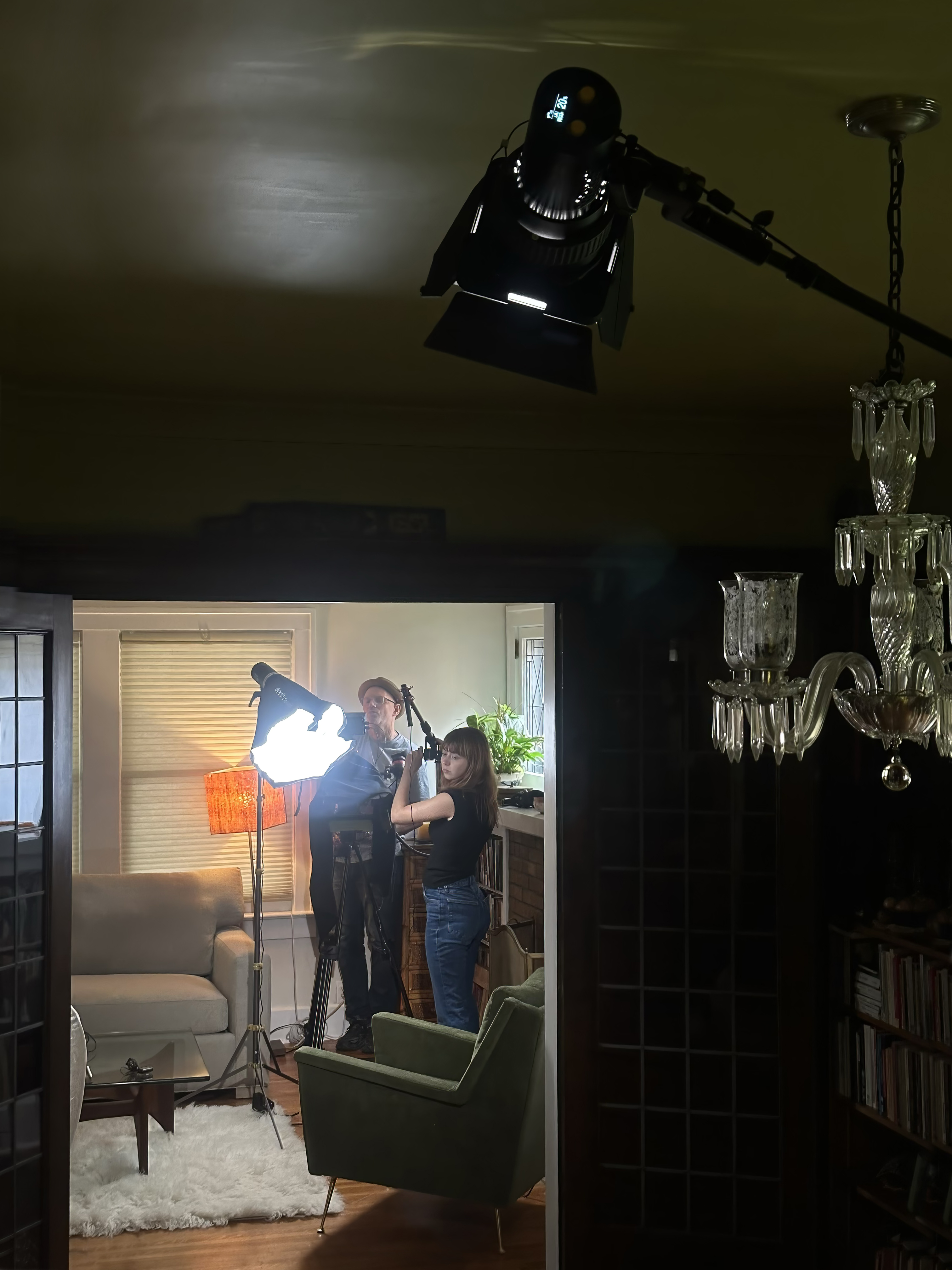
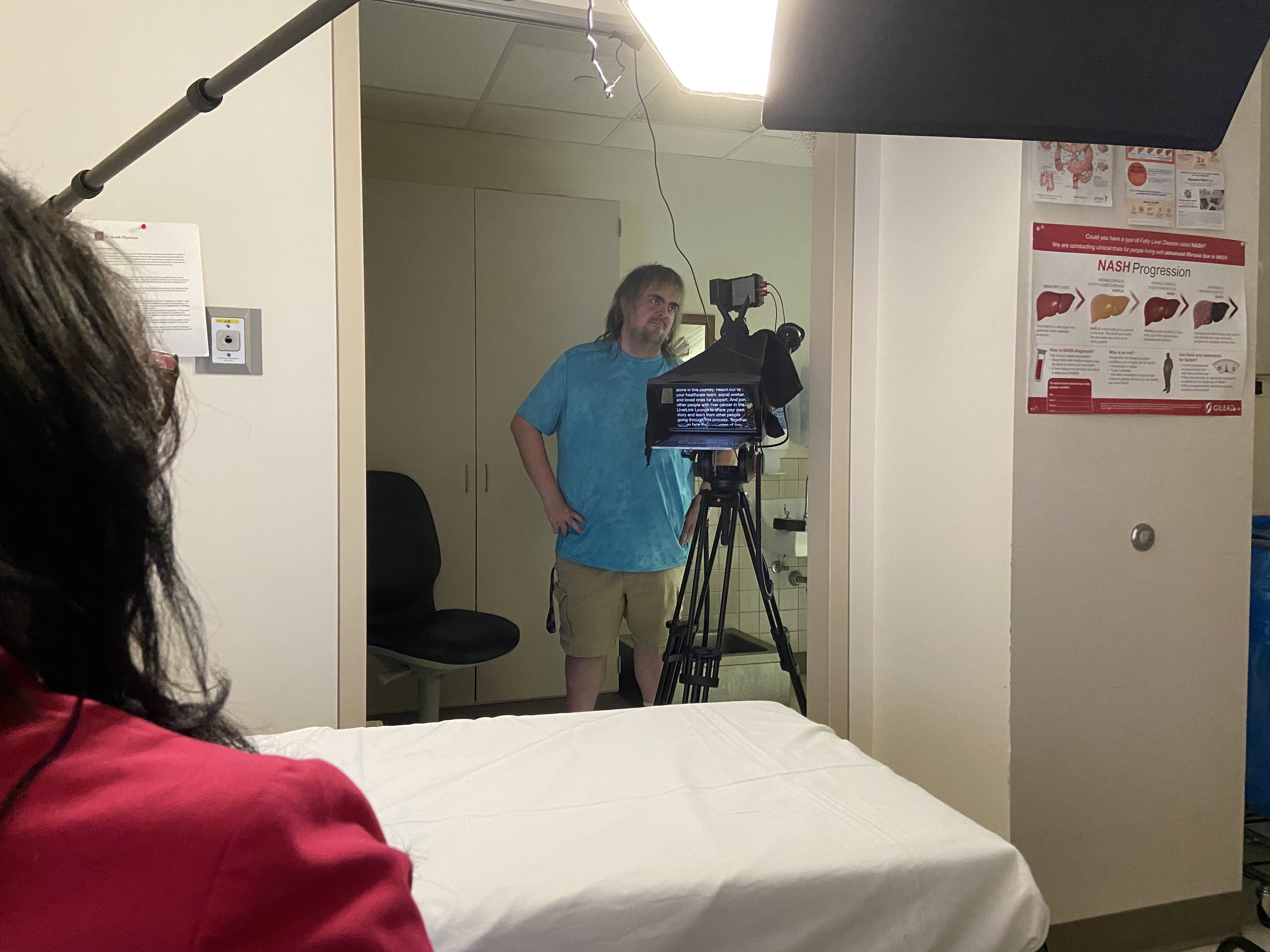
To create a direct connection with the audience, we wanted the patients looking straight into the camera lens. Our solution was simple but effective: a teleprompter with an iPad, connected to Dr. Nephew on Zoom in another room. This setup allowed interviewees to maintain eye contact with the lens while seeing Dr. Nephew, helping them forget about the camera and speak more naturally.
October 24, 2024
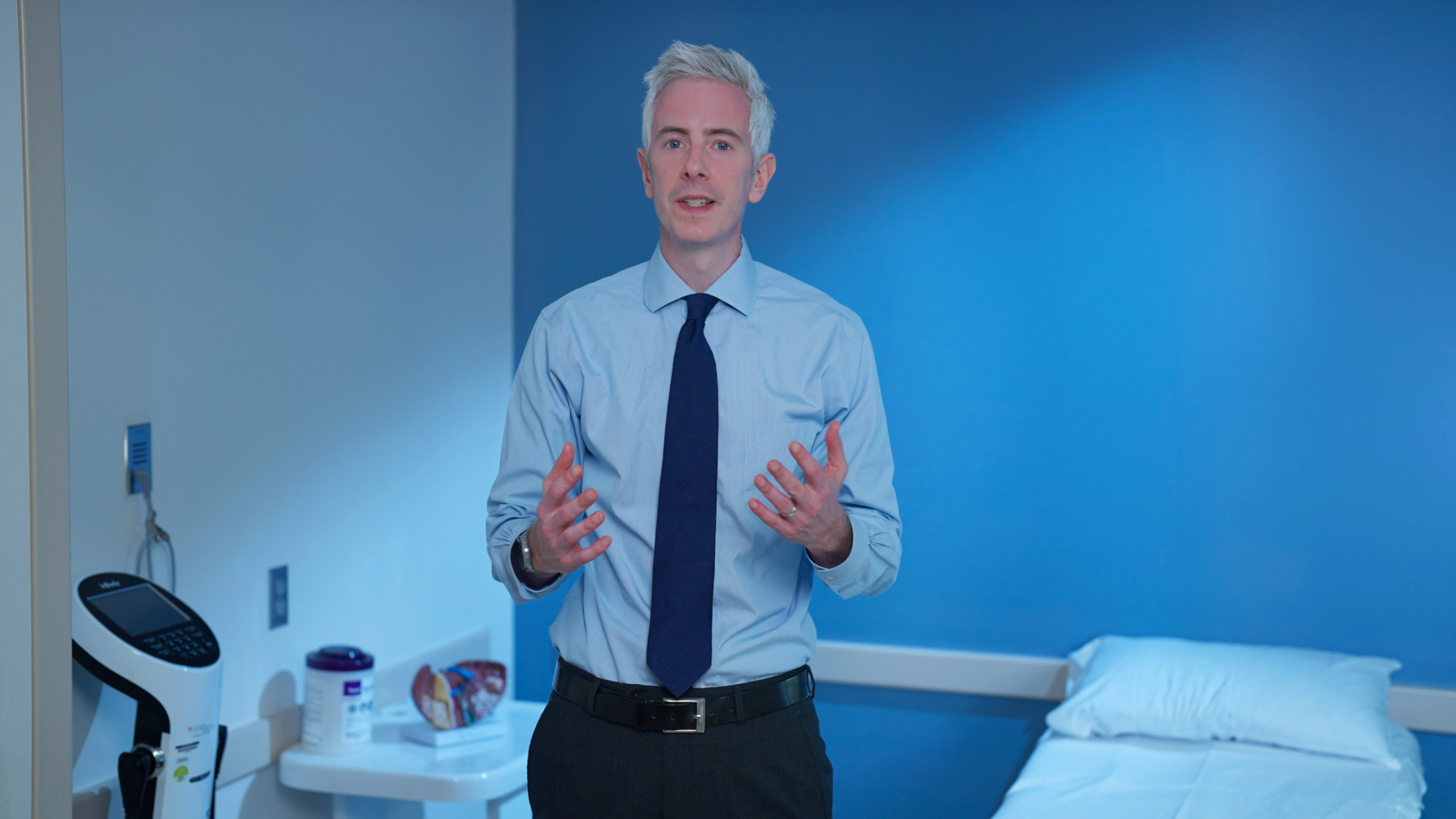
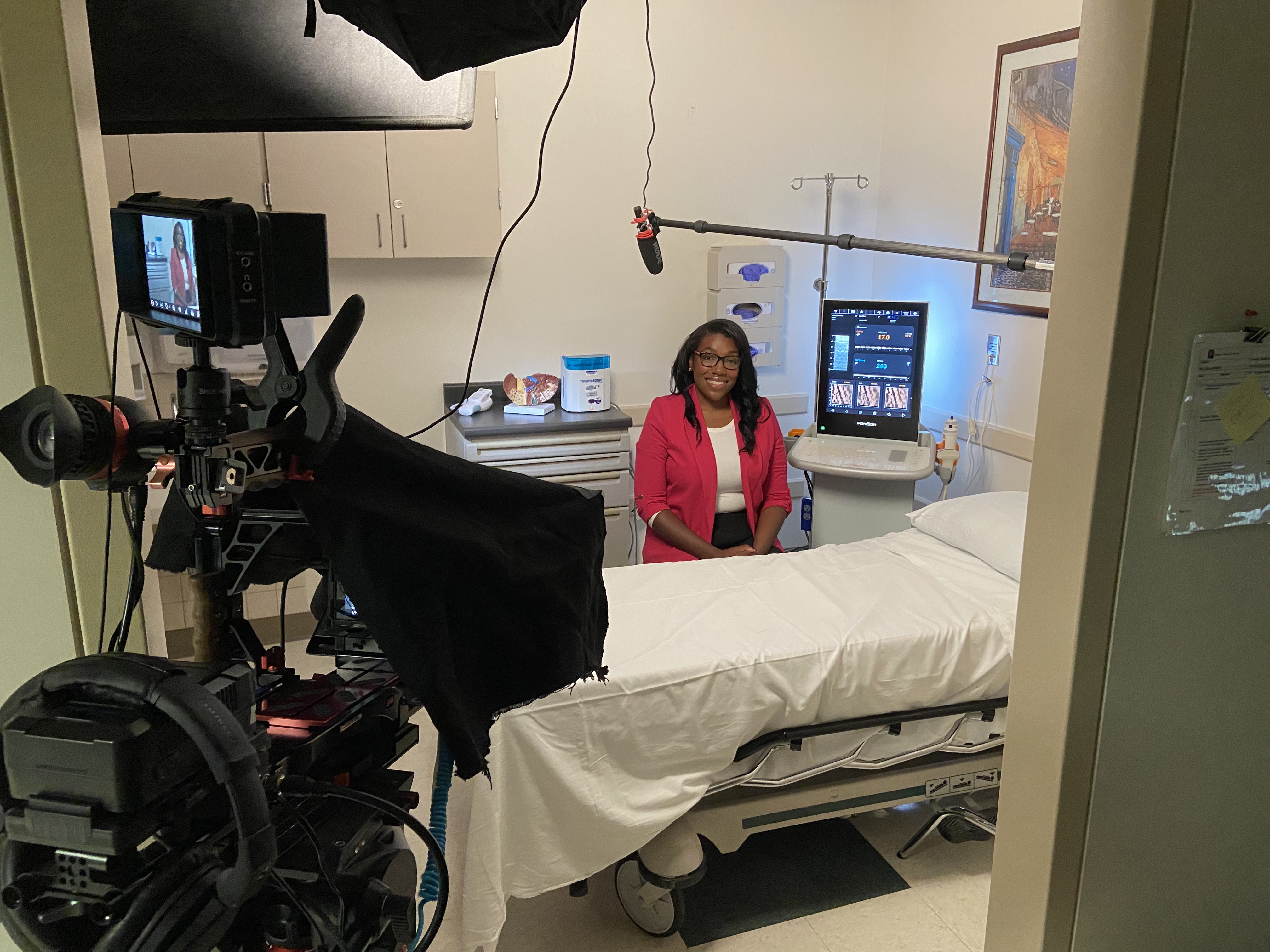
The second shoot was at the IU hospital on campus. On Tuesday afternoon, with Taylor and former video student Cordel Blair, we loaded up my car and headed over to the Hepatology Department. We were scheduled to film a hepatologist and a surgeon in a small clinic room there. It was a little cramped, but it all worked out very well. This was a scripted situation where the doctors would be reading from a teleprompter. The first doctor, Dr. Jon Holden, could probably read out loud all day long and never make a mistake. He made our editing job easy and fast. If he weren’t a hepatologist, he could have been a news anchor.
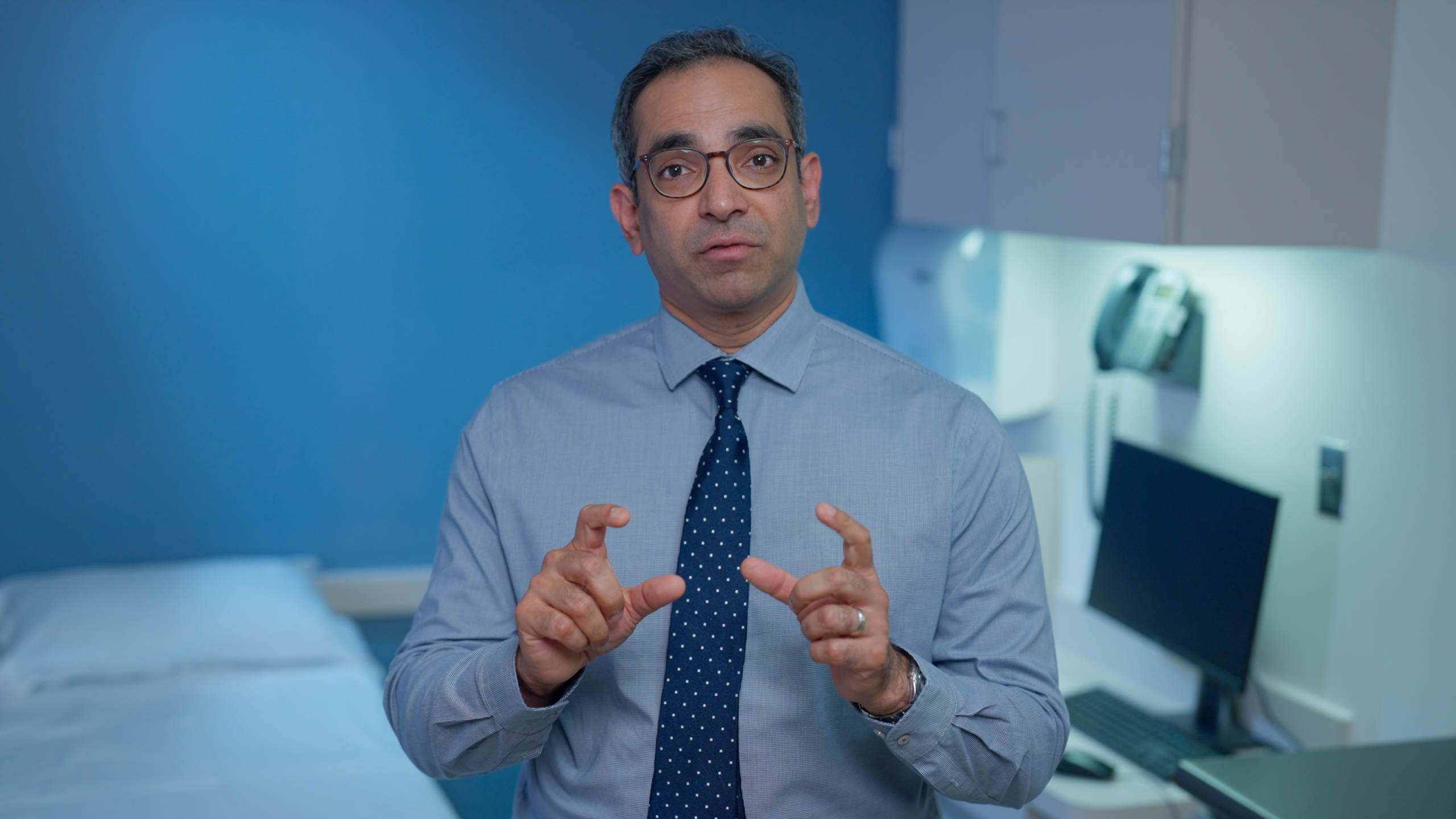
The second shoot was with Dr. Chandrashekhar Kabul, the liver surgeon and Chief of Liver & Intestine Transplant Section. It got off to a little slow start, he asked to move closer to the teleprompter where he could get a better view. He soon hit his stride and told us all about the resection and transplant procedures.
The biggest issue of the day was the incessantly ringing elevators right on the other side of the door from us. And elevator bank of four elevators in a busy hospital can make quite a cacophony. I hope AI can save the sound. I think it can.
October 28, 2024
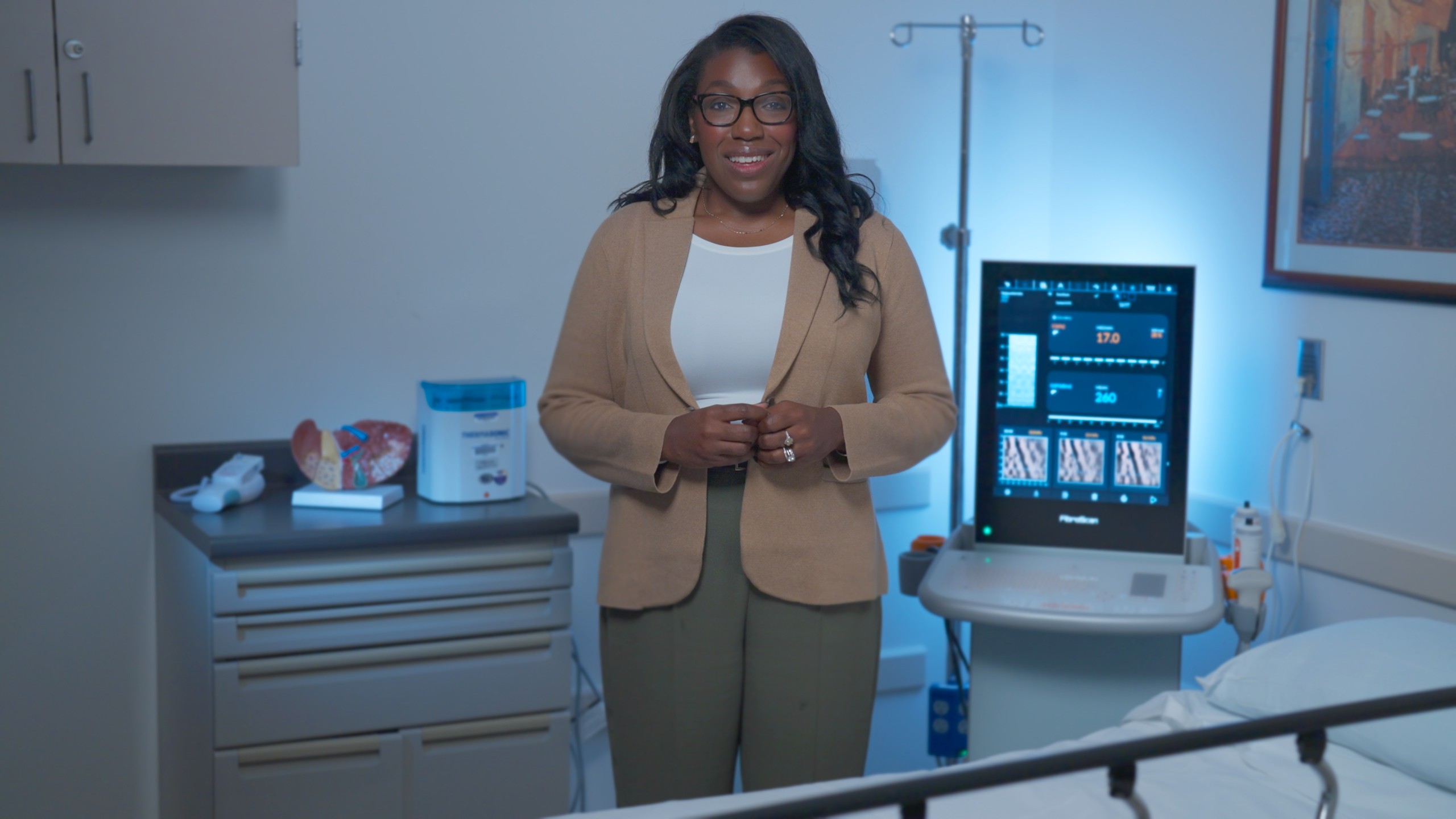
The last day of filming brought us back to the hospital early on a Saturday morning. This time, we were there to film Dr. Nephew for two of the videos. Being Saturday, there were no open clinics and virtually nobody roaming the halls or taking the ringing elevators.
The shoot went really well. We had already determined the location on the last shoot and Dr. Nephew was great with teleprompter.
Throughout this project, I’ve been struck by the potential impact of these videos. They’re not just film projects; they’re tools that will significantly help patients navigate complex medical procedures. As a filmmaker, it’s rewarding to work on something that will make a real difference in people’s lives.
As we wrap up filming and move into post-production, I’m looking ahead to seeing how these videos will ultimately serve their intended audience. Be sure to come back and see how these videos progress.
 untitled event