Guyana Healthcare Films: Mount Sinai and Ministry of Health Collaboration
September 10, 2024
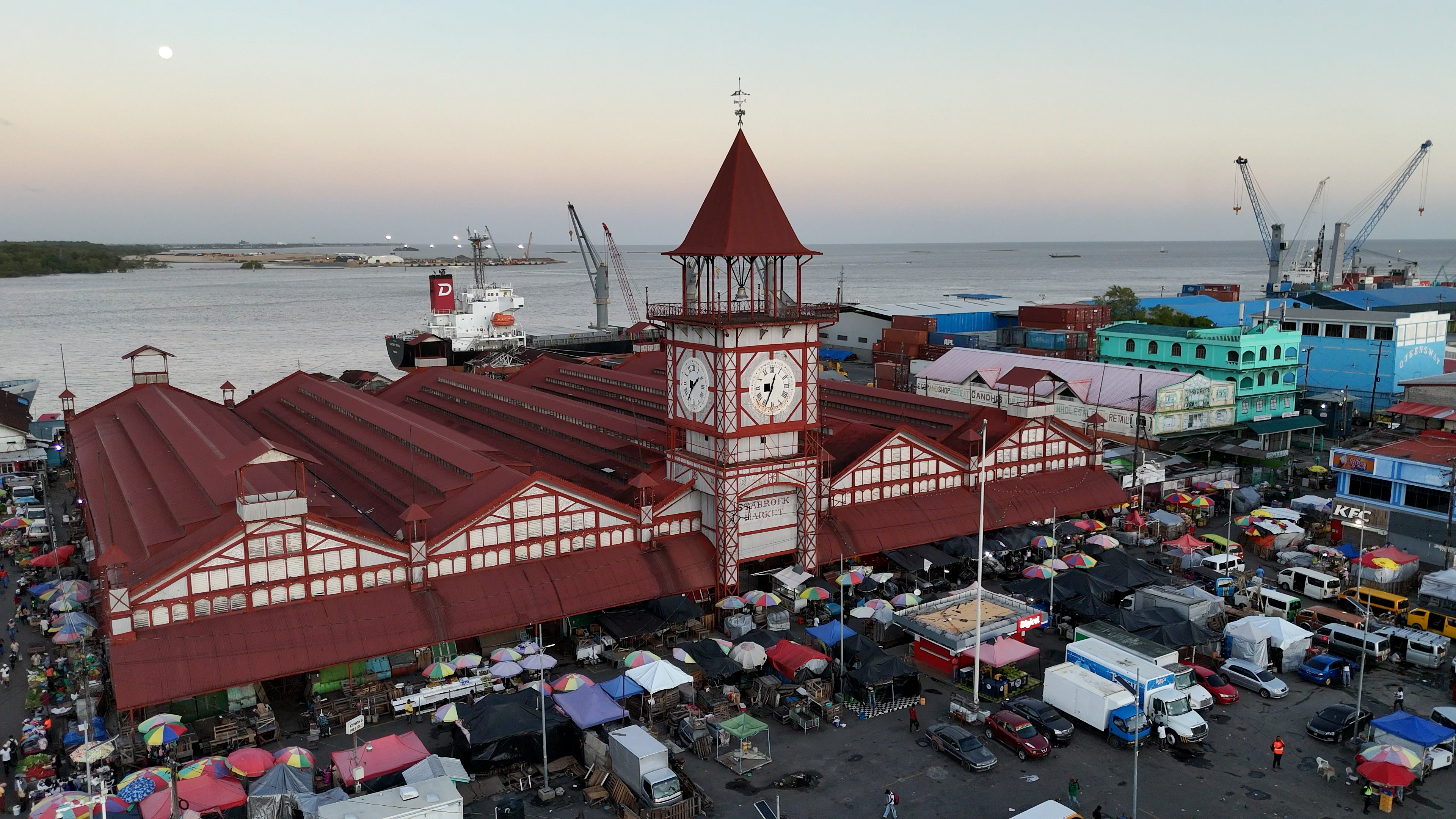
In the fall of 2023, I was asked if I would be interested in submitting a bid for a contract to make films about the work Mount Sinai Health System is doing with the Ministry of Health in Guyana. (Spoiler: Of course I said yes.) Mount Sinai is a huge hospital system in New York City that has several hospitals and employs 43,000 people. If you live in NYC, you know Mount Sinai. If you don’t, you might not.
Background
Let me give a little background. Back in 2012 and again in 2015, I made a series of HIV-related films in Kenya. I made these films in collaboration with Dr. Rachel Vreeman, who at the time was the director of Indiana University’s Center for Global Health. She has since moved to New York when she became the director of The Arnhold Institute for Global Health at Mount Sinai’s Icahn School of Medicine.
For this work in Guyana, The Arnhold Institute is working in collaboration with Mount Sinai International (MSI). MSI is the hospital consulting part of Mount Sinai Health System and they consult with hospital’s all around the world to help improve their operations. Together, Arnhold and MSI are working with the Ministry of Health in Guyana to create and advance several workstreams in the Georgetown Public Hospital and across the country.
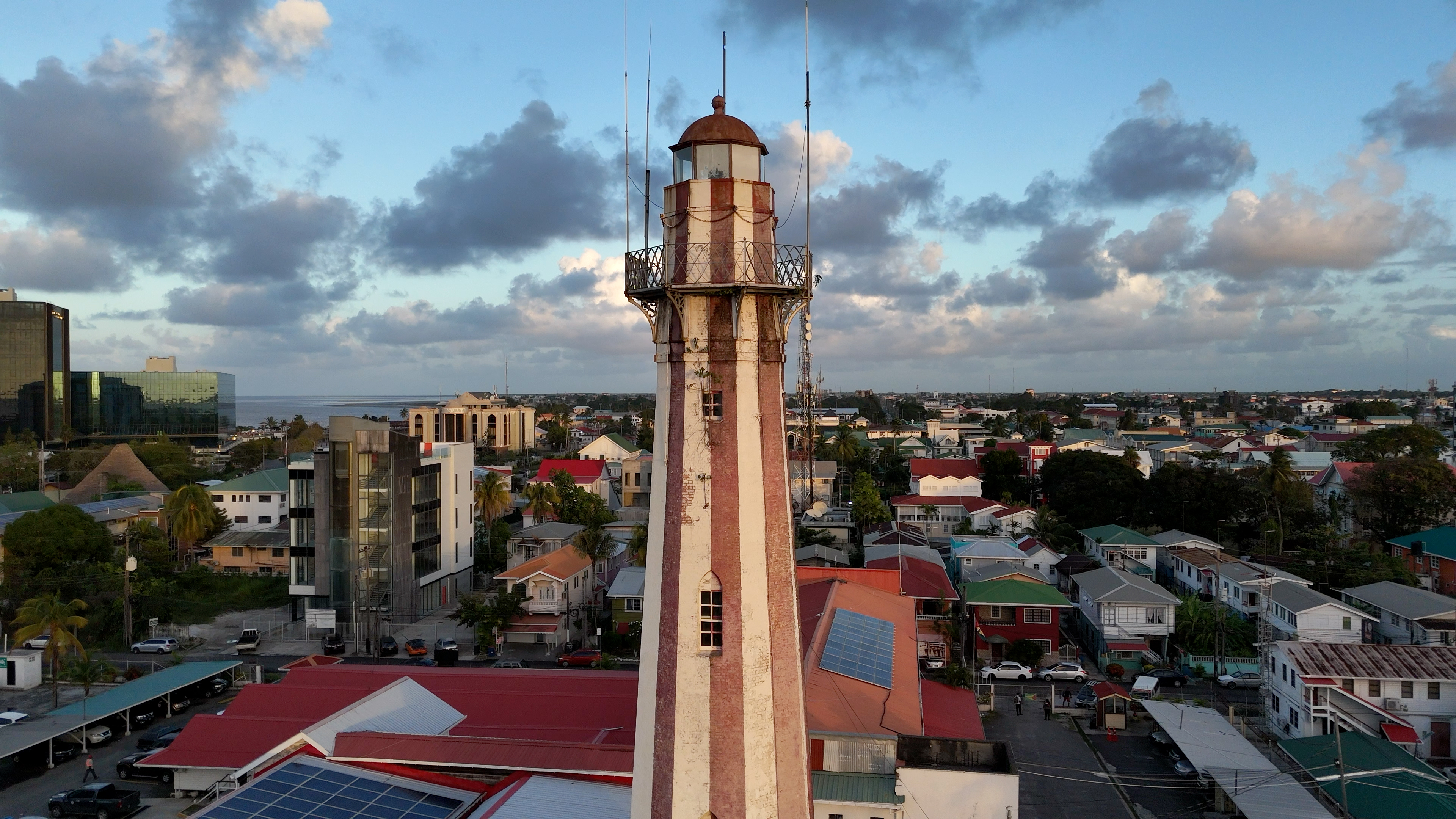
A Little Background on Guyana.
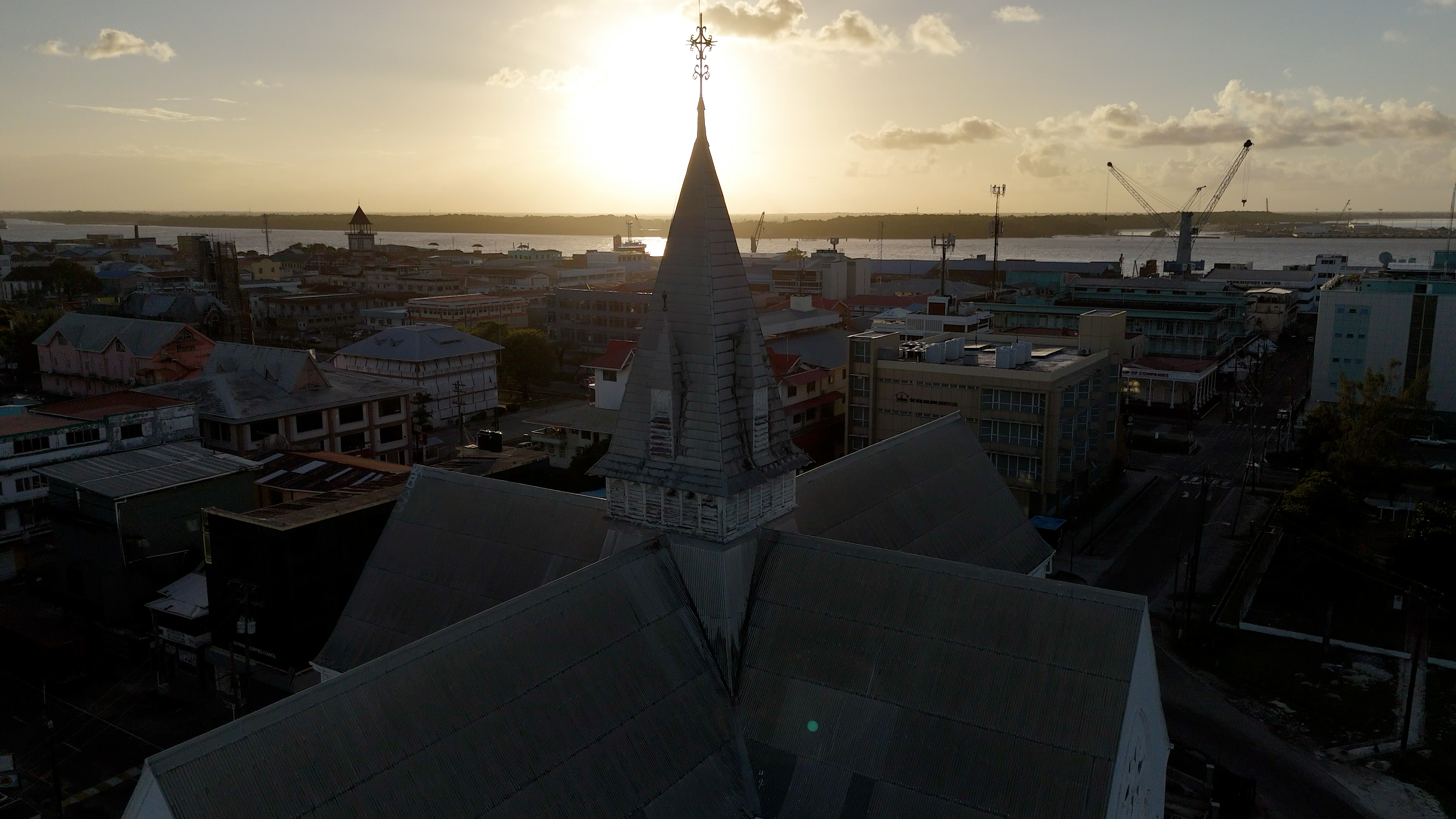
I joke that Americans know two things about Guyana: They know about the Jim Jones massacre in the 1970s and they know it is in Africa. It’s not. That is Ghana. Guyana is in South American and located east of Venezuela. (Don’t confuse it with French Guyana. In Guyana, a former Dutch and British colony, they speak English. In French Guyana you can probably guess the official language.) Historically, it has been one of the poorest countries in South America. Many Guyanese fled the country during political unrest in the 1980s. So now more Guyanese live in New York City (800,000+) than there are currently living in all of Guyana (750,000). In 2015, a massive oil reserve was found off their coast, and in 2017 the pumping of that oil commenced. It is the largest oil reserve in the world. And overnight Guyana went from rags to riches with a lot of the pains and complications you might expect.
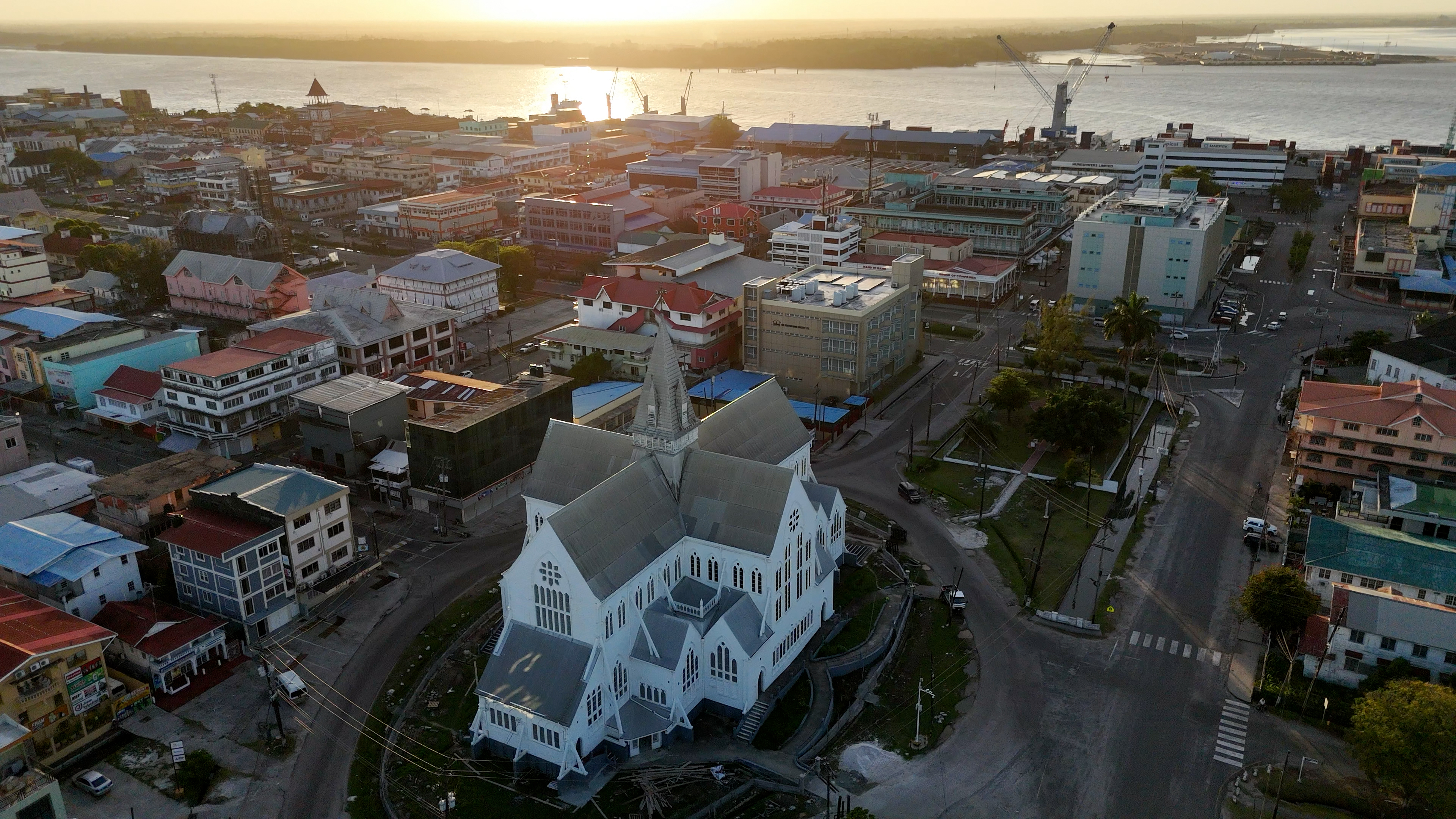
It is also worth noting that before the discovery of oil, one of Guyana’s big sources of income was keeping their rainforest completely intact. They sold carbon offsets, largely to Norway, and did not cut down the rainforest. They might just have higher percentage of rainforest intact than any country on the planet.
Purpose of the Films
The current progressive government, headed by President Ali, who has been standing up to Venezuela’s recent threats to invade the country and claim 2/3 of it, has been working with the financial support of Hess Oil to dramatically improve the health of its population. The government wants the people of Guyana to know about all the great work they are doing with Mount Sinai and the president asked that some films be made to tell some of those stories.
That’s where I came in. They wanted films to tell the stories of the efforts to:
- Provide regular health screenings to every child in the country.
- Develop new protocols and interventions to address the very high rate of diabetes.
- Transform the country’s paper-based health records system into a state-of-the-art electronic health records system.
- Build and operate a state-of-the art digital pathology lab at the Georgetown Public Hospital
- Improve hospital operations, including nurse training and nursing protocols, pharmacy training, emergency room processes and training.
Initially, they asked for three 5-7 minute films to cover these various topics. After putting together an initial proposal to get the contract, I developed a series of treatments for the topics. It quickly became apparent that the initial thinking of 15-21 total minutes of films was not going to adequately address all the work going on down there. Consequently, the films expanded…. and expanded.
The First Trip
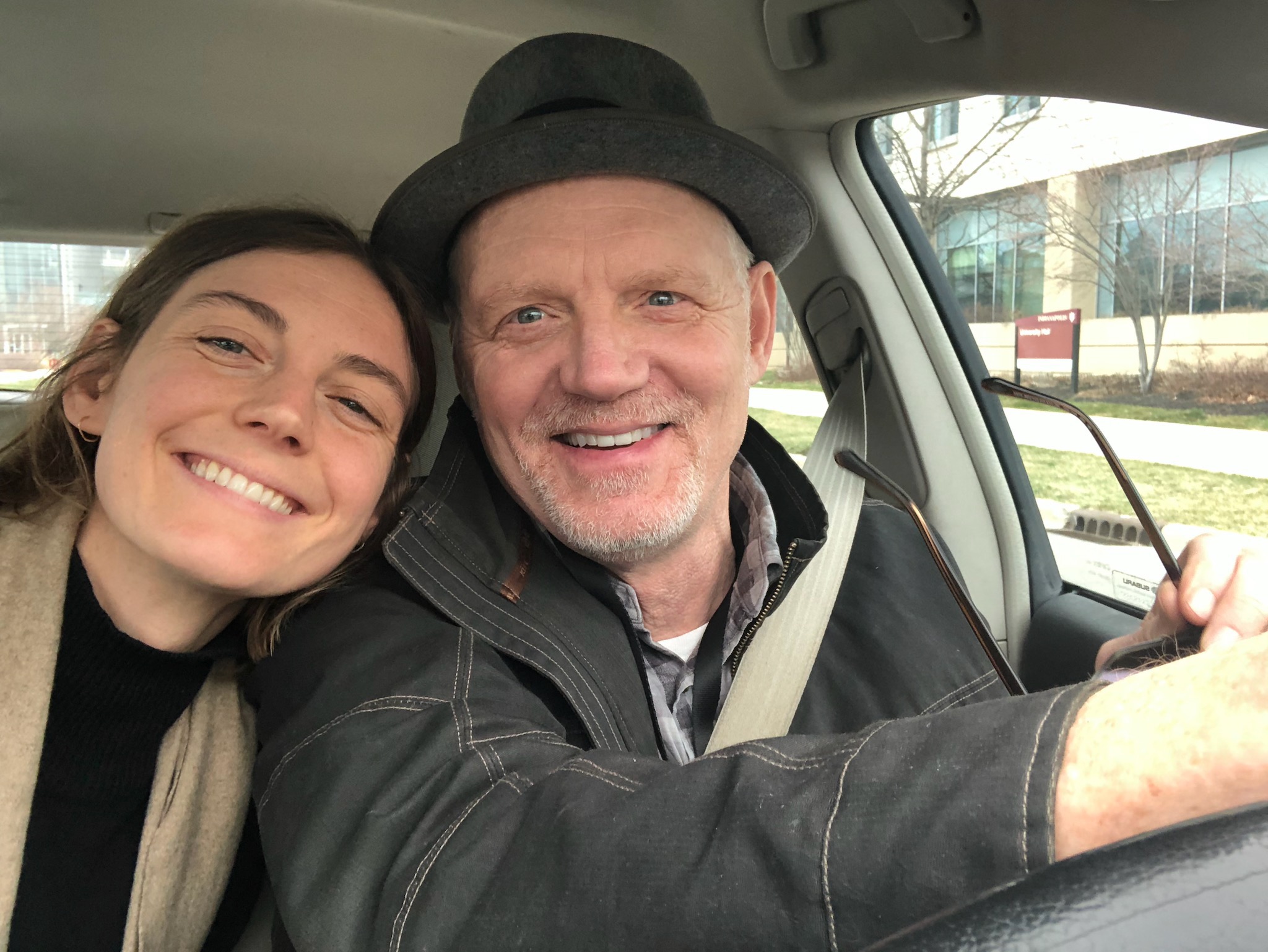
In January 2024, I made my first trip to Guyana. I hired my daughter to help me. Normally, I would try to write this blog entry everyday as I work on a project. But this project just became too much work to muster the energy to do that. After everyday of shooting, we would return to the hotel just completely exhausted. So here I am writing after the fact. Considerably after the fact. Maybe that is a good thing because I probably write in more detail than anyone would want to read. (As I have said before in other blog entries, I am really writing this for my future self, so that when I am old, and my memory is even more shot than it already is, I can look back and be reminded of some of the things I did in this life.)
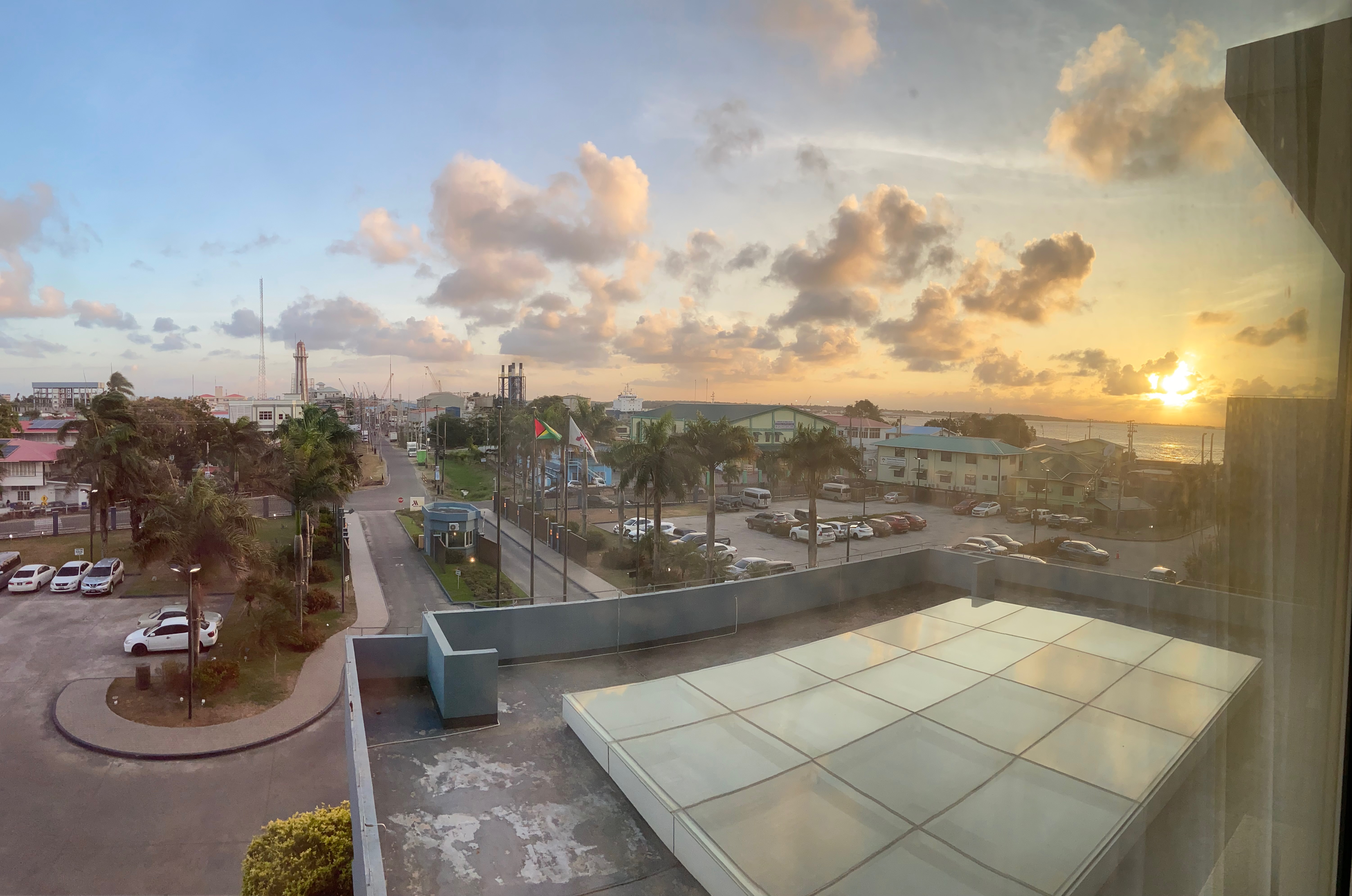
We were in Guyana for a week. Mount Sinai put us up in the beautiful Marriott where every diplomat, oil company employee, and healthcare consultant stays because the options are very limited. It’s very nice.
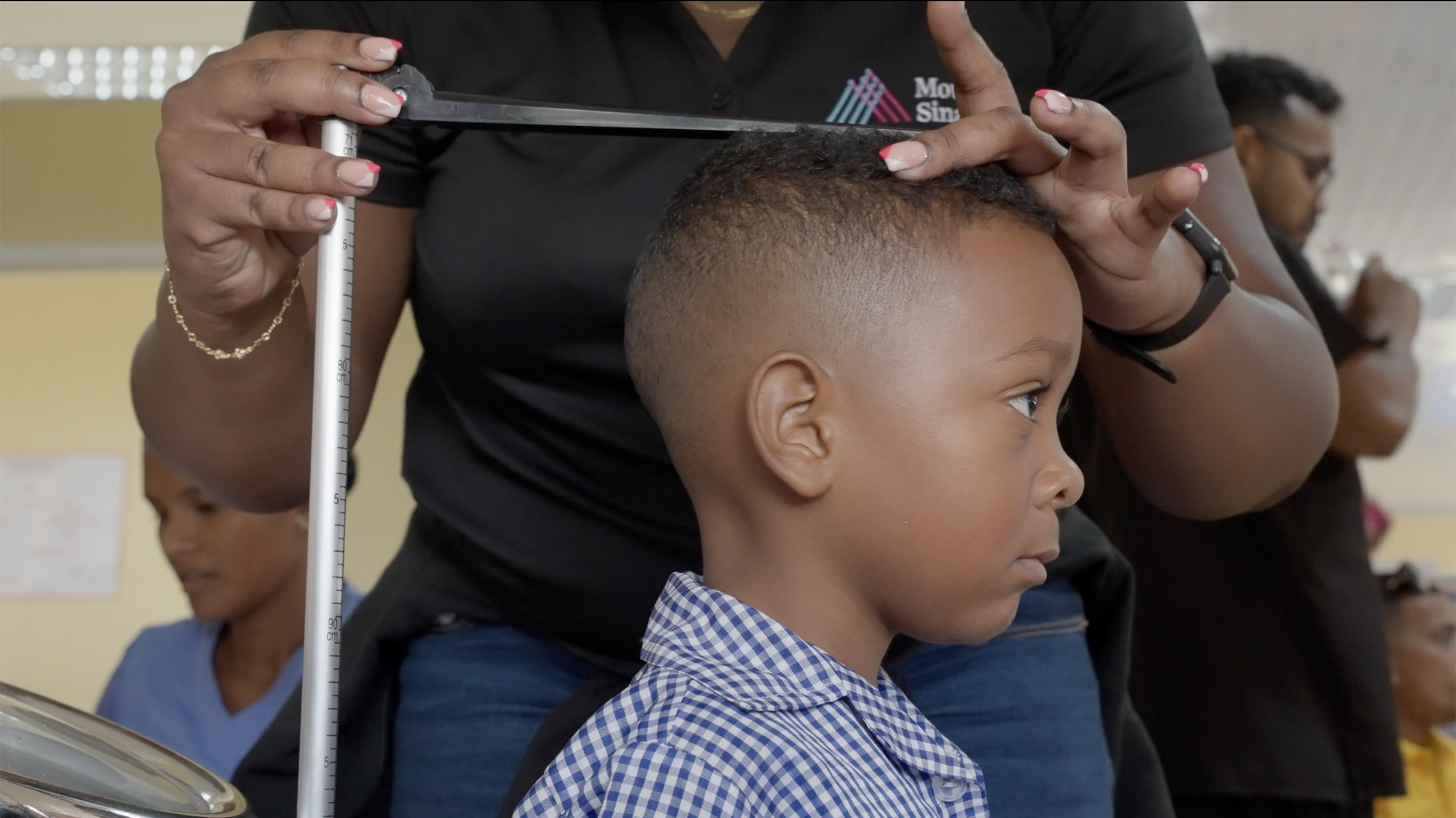
This initial trip primarily involved shooting for three of the films: primary health screenings of young kids, the creation of a new pathology lab at the public hospital, and all the work that has gone into confronting the high level of Type-2 diabetes in country.
Among a lot of other shooting, we shot interviews with all the main Guyanese participants, we shot a diabetes patient in the clinic and in their home, and we shot extensively in the pathology lab as it was being constructed and the millions of dollars of equipment installed. But the highlight of the trip was flying in an old army plane to the remote town of Port Kaituma where we filmed a team providing health screenings of over 100 kids in the nursery school there.
After returning from the first trip, I went to work editing. Editing all this footage is an enormous task, but it is something I just love doing. I can spend hours on end figuring out the structure of the film and then refining that edit to really bring it into focus. What is cool to see is that a lot of the original film treatments remained intact, just greatly expanded.
The editing of the first three films progressed pretty quickly. However, some interviews had not happened yet, so I needed to leave holes in the edits to accommodate those interviews. Having a strong edit meant I knew just what I needed to ask those interviewees so I could easily just drop their answers right in place.
The Second Trip
The second trip to Guyana (in March 2024) started with a day in New York to conduct interviews with the various clinical and faculty leads for the different workstreams. A couple of these were the missing ones I could just drop right into the current edits.
We shot these interviews in the conference room at the Arnhold Institute. This room had been used as a set for NBC’s Law and Order. It is a super cool old room with warm wood paneling and perfect light from giant north-facing windows. But even though it is 5 stories up, when the kids at the school next door went out for recess it sounded like they were in the room with us. We managed though.
Dr. Rachel Vreeman, as Director of the Arnhold Institute, oversees the majority of this healthcare effort with 80% of the project’s budget. She can always be counted on to deliver the perfect succinct answer to any interview question she gets. She makes my job easy.
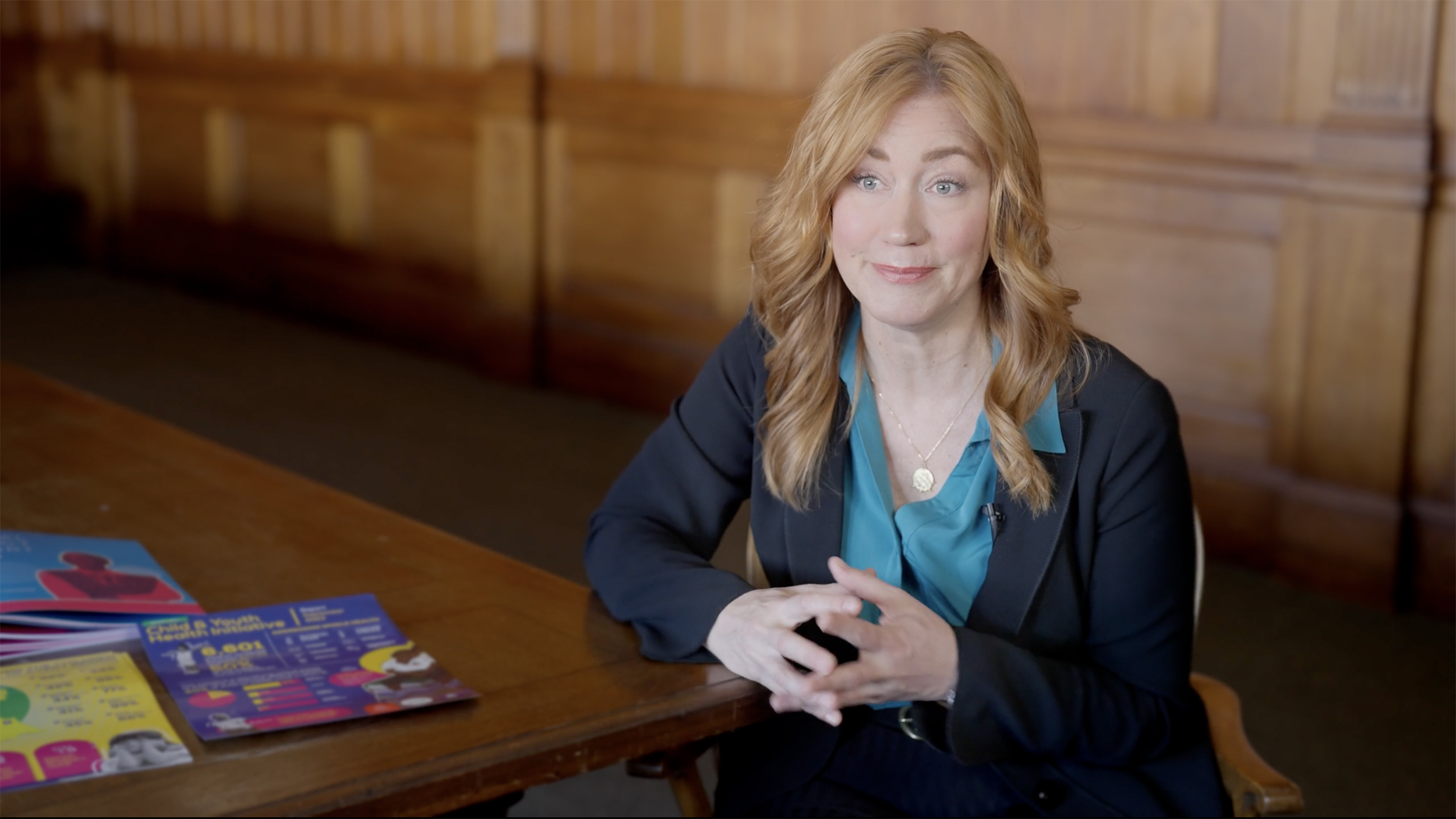
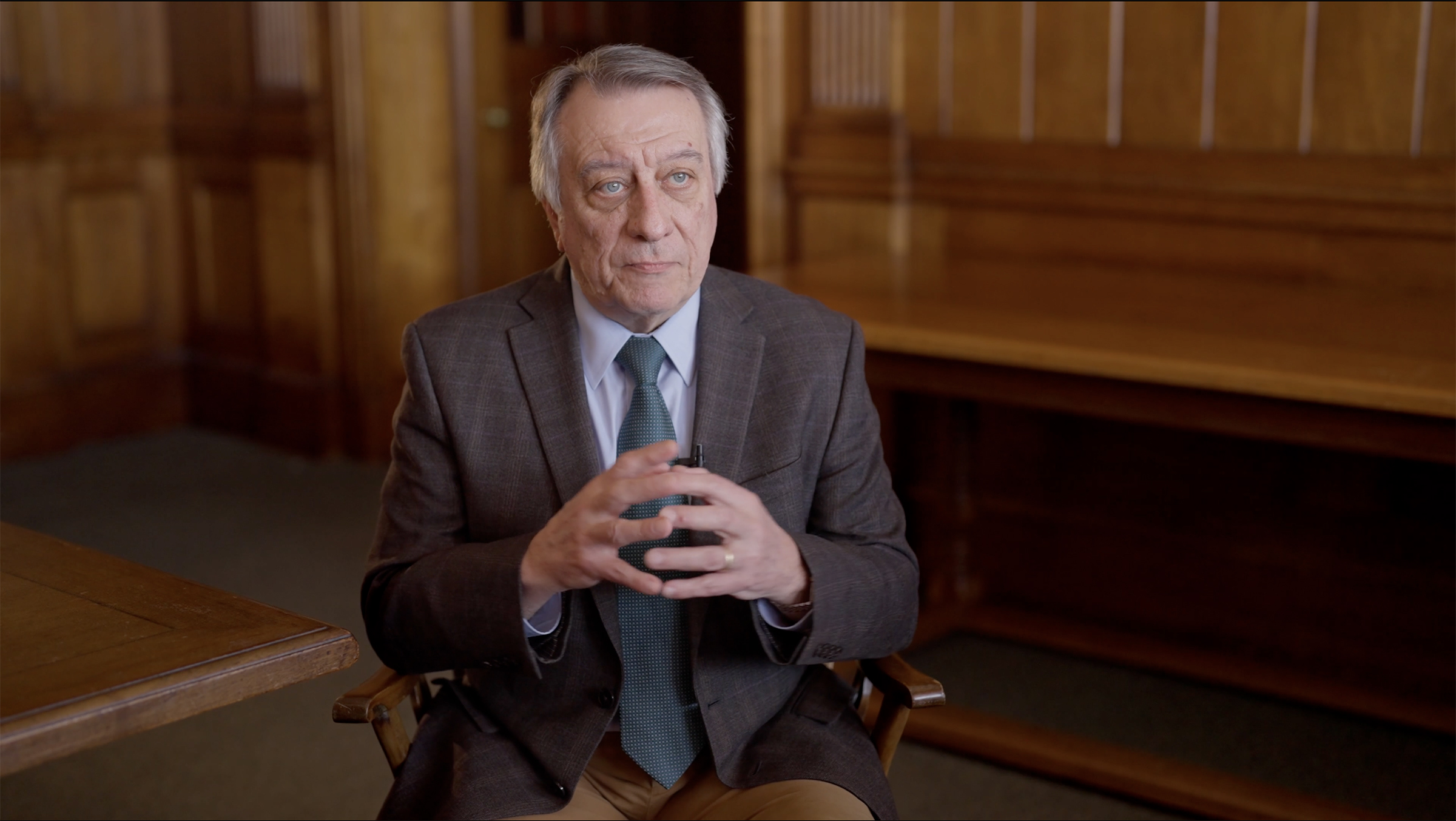
One of my favorite people I met that day was Dr. Carlos Cordone Carlos. He had such a pleasant and calm demeanor and a great Spanish accent. Dr Carlos is the head of pathology for all 8 hospitals in the MS system. He lives and breathes pathology. During the year before I started these films, there was a tragic fire in a boarding school dorm that killed many students who were locked inside. For Guyana, Dr. Carlos identified the remains. While working on these films, a military helicopter crashed in Guyana and again Dr Carlos identified the remains. He is a humble rock star of pathology.
On to Guyana
After NYC, we flew on to Guyana. We had 9 long days of shooting ahead of us. We still needed to fill some holes in the first films and now I had to really concentrate on the electronic health records film and the bigger film about some of the work taking place at the Georgetown Public Hospital. It all went exceedingly well. We also had to interview the President of Guyana and the Minister of Health for the intro to the films.
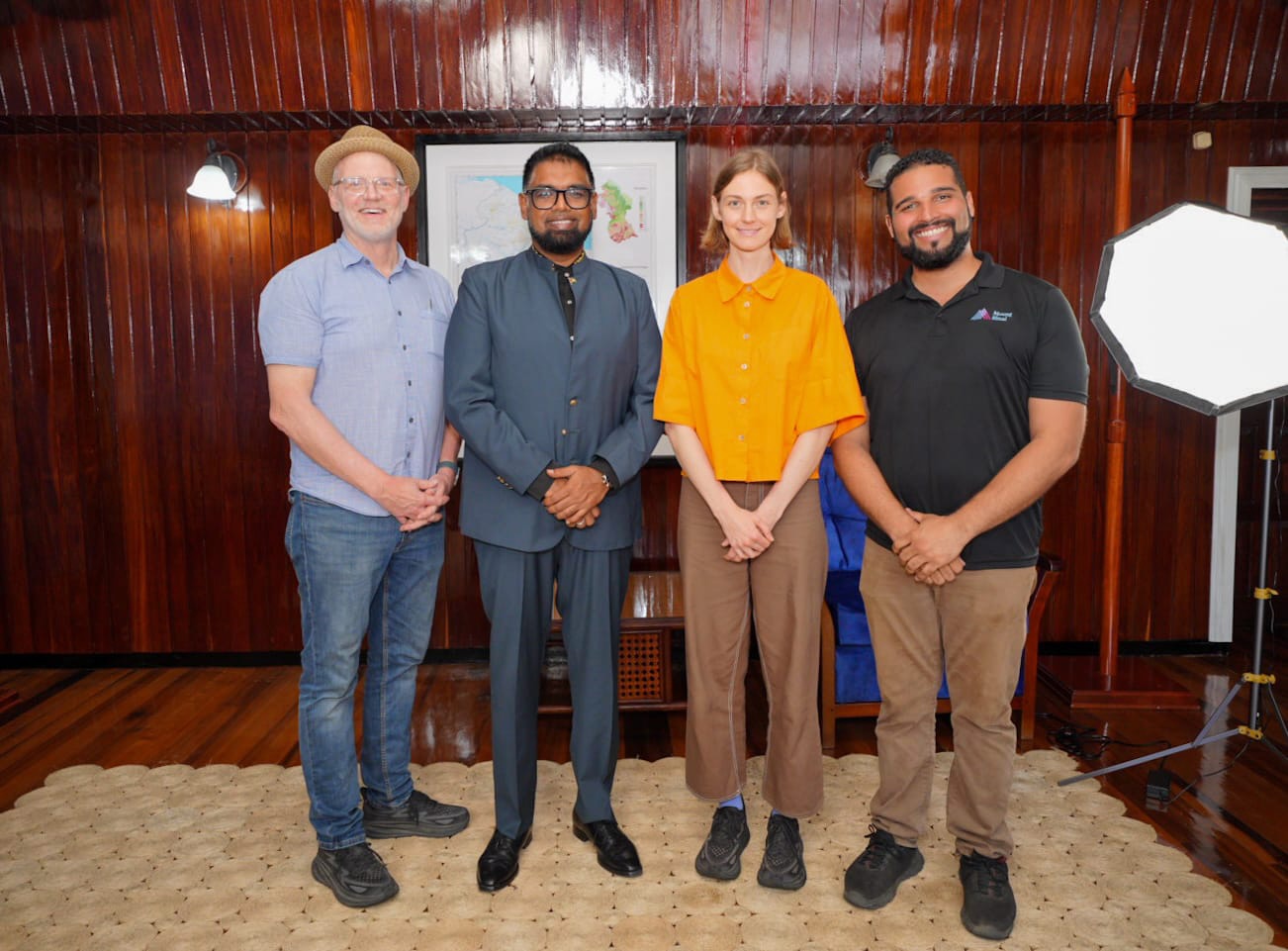
At the President’s interview, there were two staff photographers shooting everything. They follow the president wherever he goes. We were lucky to get some of those photos. And as the president was leaving, he overheard me say how I wish we had all gotten picture together. He was nice enough to turn around and come back in and pose for a group photo.
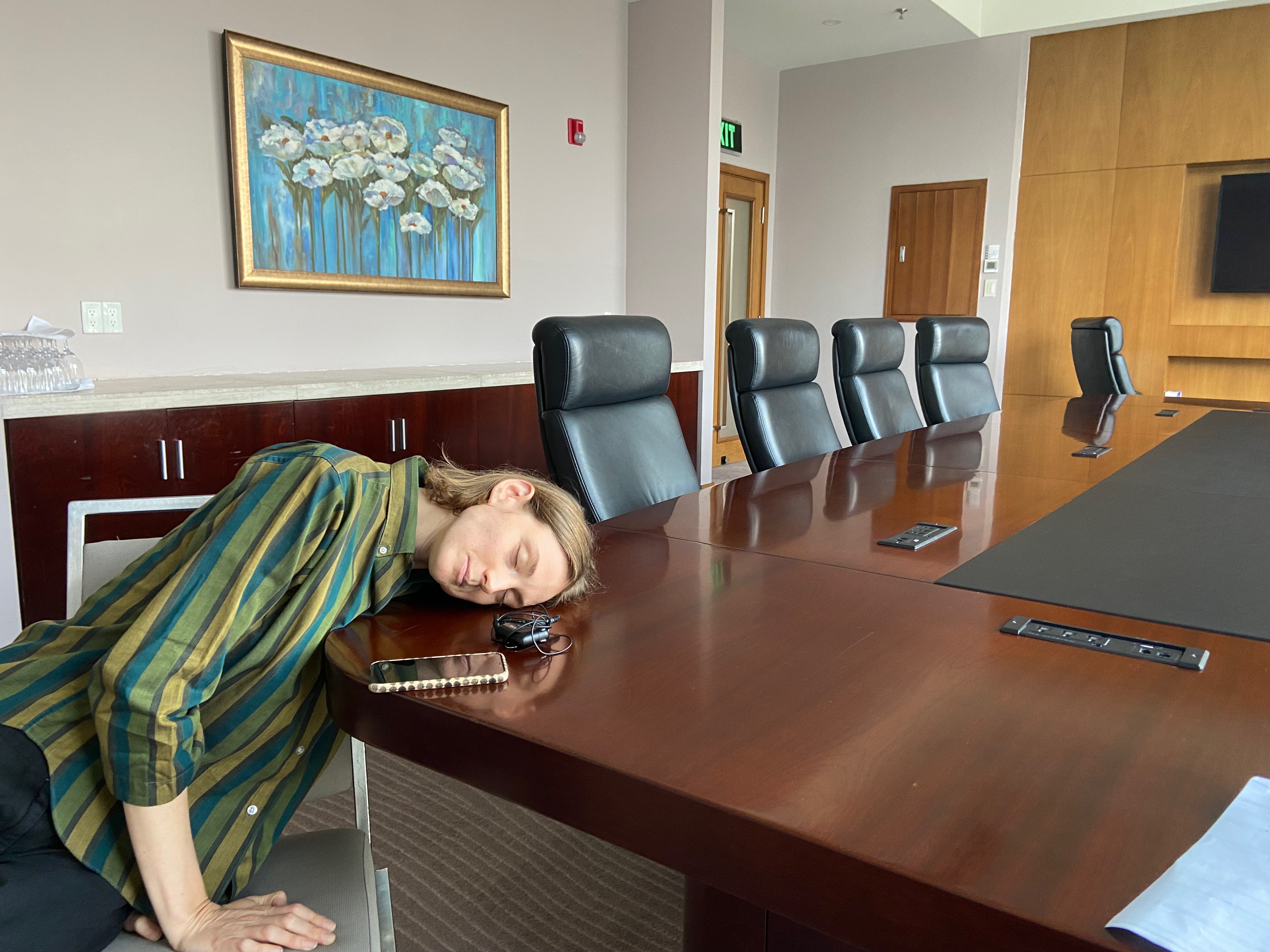
That second trip we shot all day, every day. And we were there for 9 days. Every evening we would return to the hotel and drop dead after downloading that day’s footage. It was so hot and it just sucked the energy right out of us.
Returning Home to Edit More
Since returning home to Indiana, I threw myself into editing and have finished, mixed and I’m on the verge of delivering all five films. Everything should be finished-up and delivered later this month. It includes a compiled version of all the films with an intro at an hour and eight minutes runtime. That will air on Guyanese television sometime in the near future. And there might just be a screening in NYC. I am looking forward to people seeing theses films.
I would post a link to the films here, but obviously I can’t do that until Mount Sinai releases them. At that point, I’ll be sure to come back and add the links. So please come back soon and check them out. I would love to hear people’s thoughts.
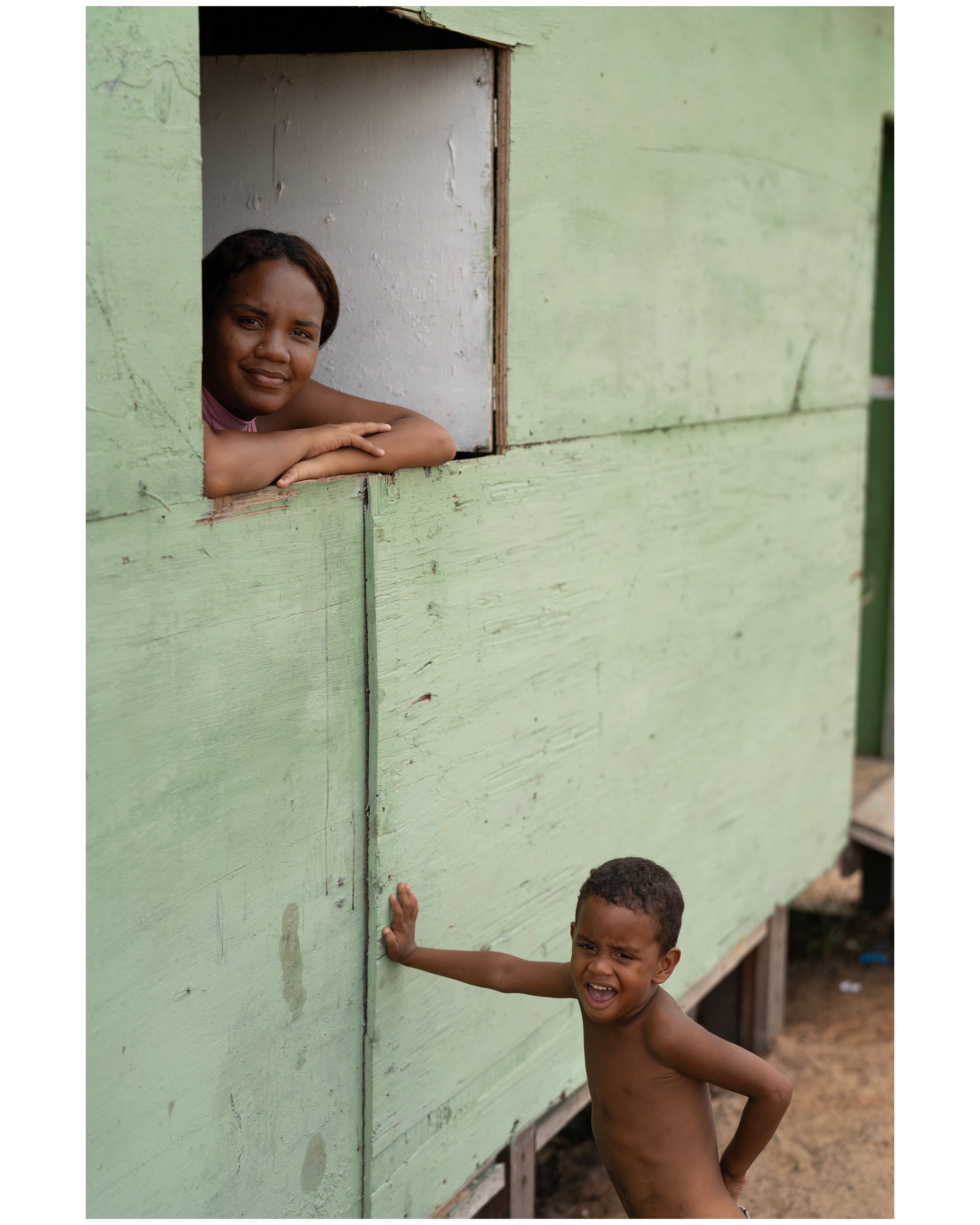
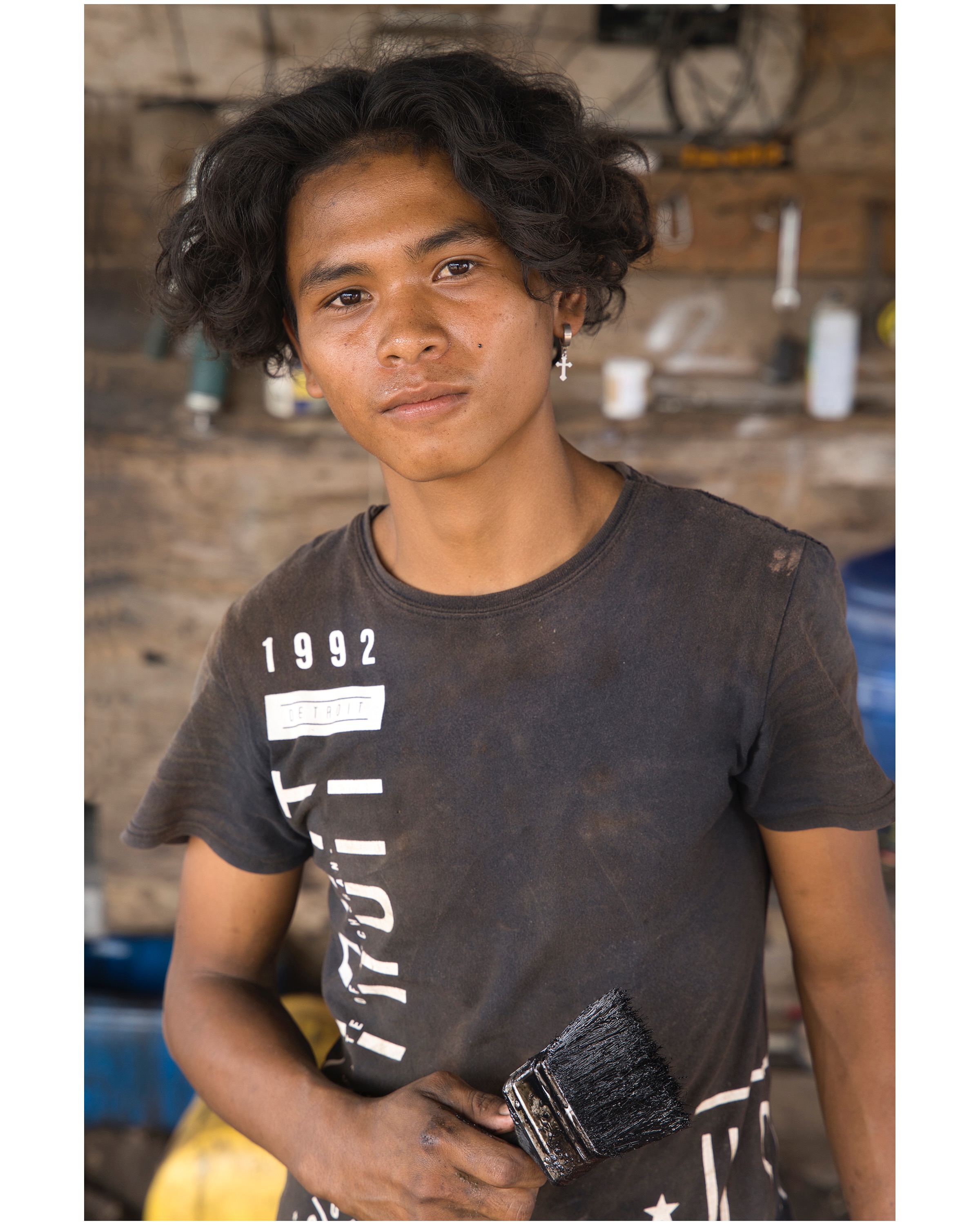
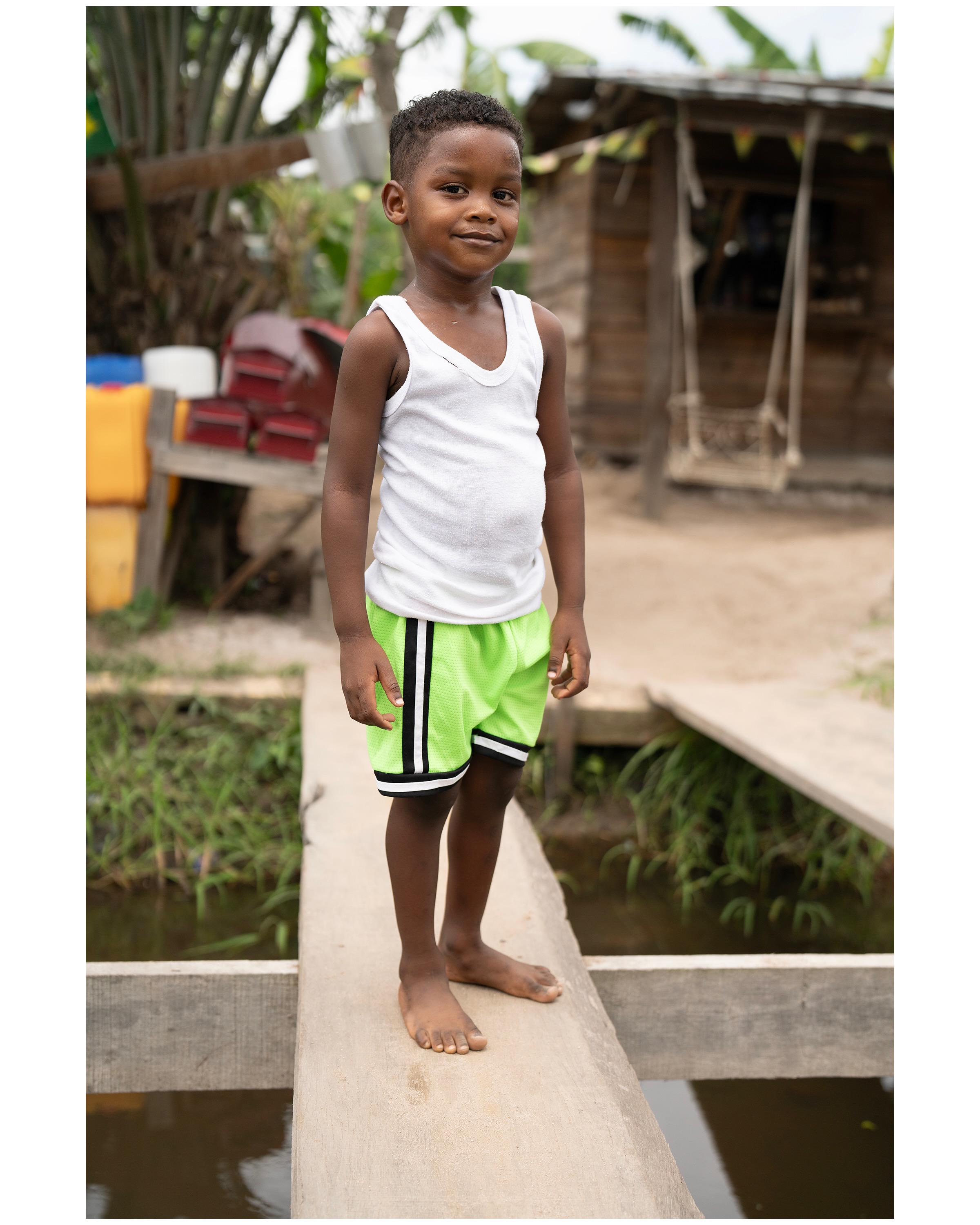
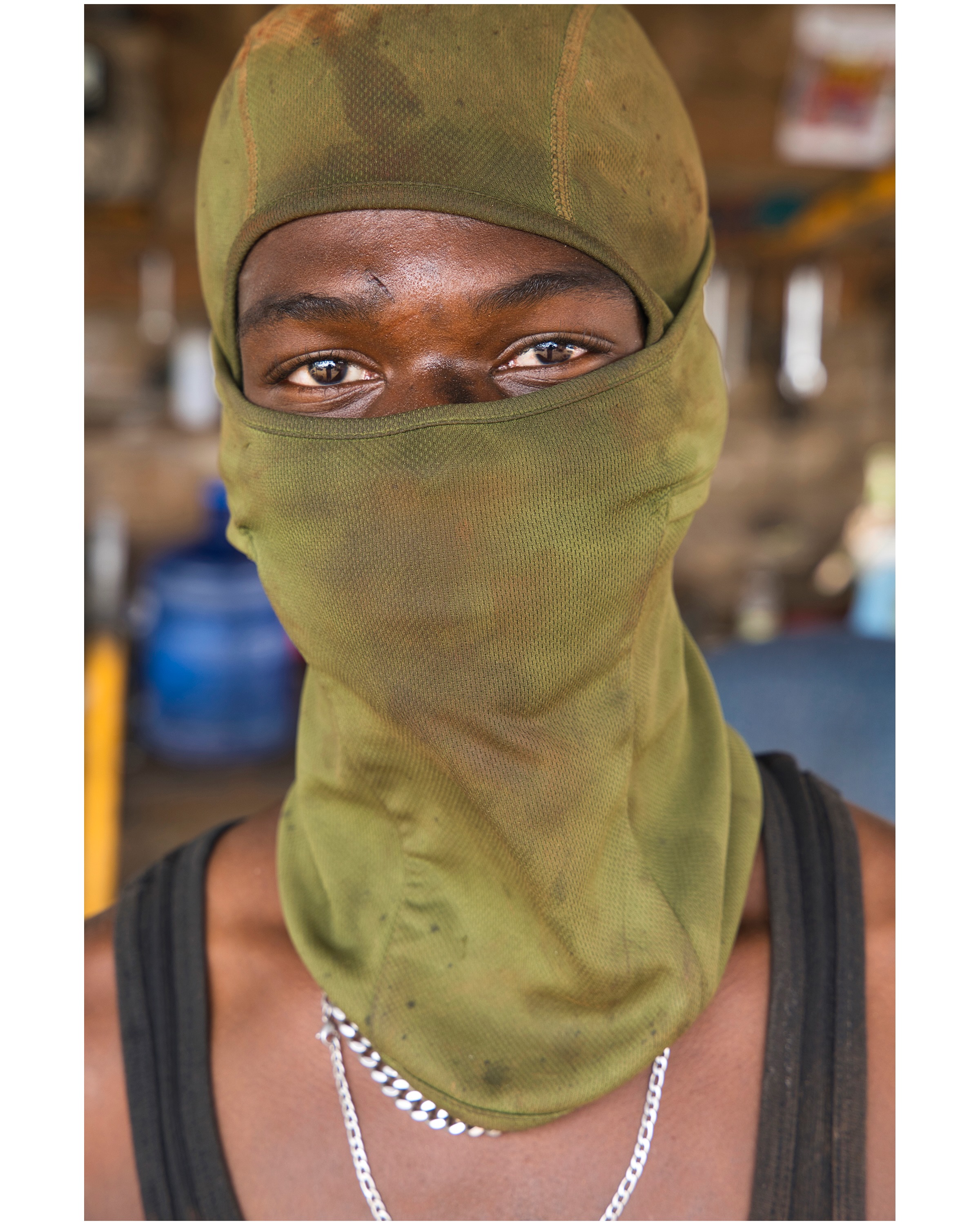
Below are a few portraits I made while in Guyana. Follow me on Instagram to see more photographs from these two trips. @charlestlewis
 untitled event
wow!! 34Transforming Patient Experience through Educational Healthcare Videos
LikeLike